


The Underwater Superpower of the Platypus: How a Blind Hunter Never Misses
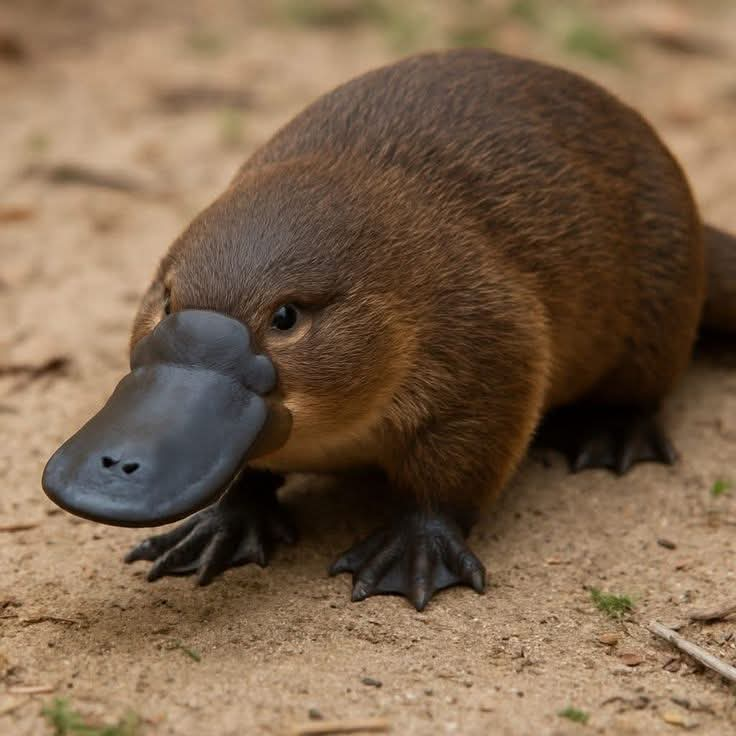
When you think of top-tier predators in the animal kingdom, lions or eagles probably come to mind. But nature has a way of hiding some of its coolest engineering in the most bizarre packages and Platypus electroreception is one of the best examples. Enter the platypus (Ornithorhynchus anatinus)—an Australian creature that looks like a duck, beaver, and otter all mashed into one.
Beyond its quirky appearance lies a fascinating secret: when a platypus dives underwater to hunt, it becomes completely blind, deaf, and unable to smell. Yet, it never misses its prey.
So how does this strange egg-laying mammal catch its dinner in total darkness? Let’s dive into the fascinating science of electrolocation.
The Diving Mystery: Shutting Down the Senses
Most aquatic hunters rely on sharp vision or keen underwater hearing to track down fish and insects. The platypus takes the exact opposite approach.
The moment a platypus submerges underwater, specialized folds of skin seal its eyes, ears, and nostrils shut to keep water out. This leaves the animal functionally blind and deaf at the exact moment it needs to hunt.
Without sight or sound, finding a tiny, moving shrimp in muddy river bottoms should be impossible—unless you have a secret sixth sense.
Enter Electroreception: The 40,000-Sensor Duck Bill
Instead of relying on traditional eyes and ears, the platypus uses its duck-like bill as a high-tech navigation system.
The skin on its bill is embedded with roughly 40,000 electroreceptors along with thousands of mechanoreceptors (touch sensors). This makes the platypus one of the few mammals on Earth capable of electroreception—the ability to detect natural electrical signals in the environment.
Here is how the platypus hunts using its bill:
- Detecting Muscle Signals: Every time a small crayfish, shrimp, or insect moves its tail underwater, its muscles contract. This tiny contraction generates a subtle electrical impulse.
- Sweeping the Riverbed: As the platypus swims along the bottom, it wags its head from side to side. Its electroreceptors pick up these tiny electrical pulses in the water.
- Calculating Distance: By combining electroreception with touch sensors (which detect tiny water waves), the platypus instantly calculates the exact depth, direction, and distance of its prey.
This dual-sensor method works so fast that the platypus can snap up its food in milliseconds—all without taking a single glance.
3 Fast Facts About the Platypus
- Egg-Laying Mammals: The platypus belongs to an ancient group of mammals called monotremes, which lay eggs instead of giving birth to live young.
- Venomous Spurs: Male platypuses carry venomous spurs on their hind legs, making them one of the few venomous mammals on the planet.
- Toothless Hunters: Adults don’t have teeth! They scoop up gravel alongside their prey to help grind up their food before swallowing.
Final Thoughts
The platypus is a masterclass in evolutionary adaptation. By turning off its eyes, ears, and nose, it avoids underwater sensory overload and relies entirely on a sensory system far superior to our own. The next time you see this odd creature, remember that beneath that rubbery duck bill lies one of nature’s most sophisticated hunting tools!

One thought on “The Underwater Superpower of the Platypus: How a Blind Hunter Never Misses”
Comments are closed.