Amanita muscaria: The Fascinating Science Behind the Iconic Red Mushroom
Amanita Muscaria: The Fascinating Facts about Most Famous Red Mushroom Essay
Amanita muscaria: the fascinating science behind Nature’s most famous mushroom
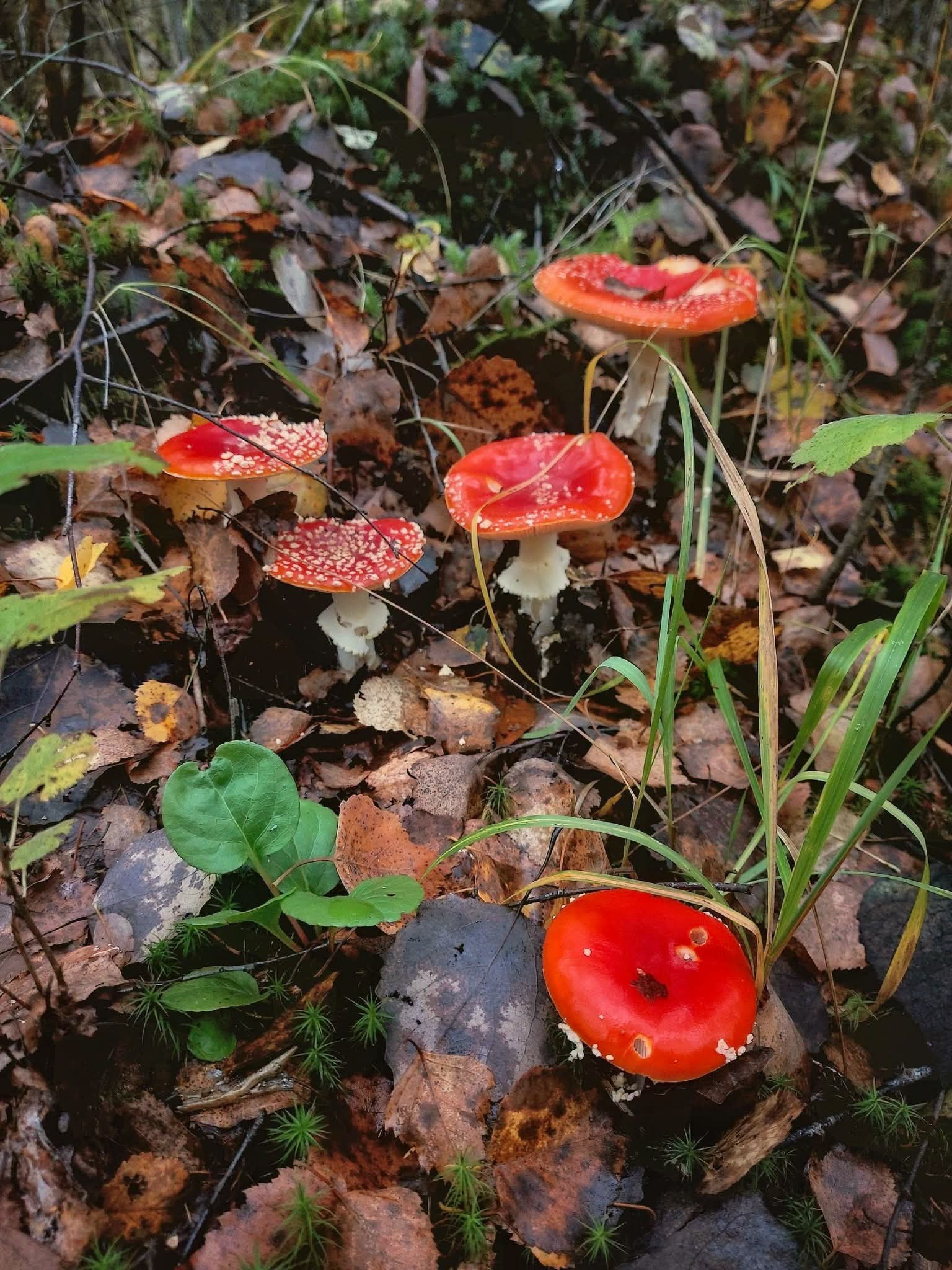
Walk through a damp forest on a crisp Autumn day and you might stumble across a truly magical sight – a crop of bright red mushrooms, each with a crown of tiny white warts. This is the Amanita muscaria, or fly agaric, a fungus that has captured imaginations in pop culture and fairy tales for centuries
But beneath its striking red exterior lie a whole world of fascinating scientific properties and facts that make the fly agaric one of the most interesting mushrooms on the planet.
Here is an overview of the enthralling science behind Amanita muscaria.
1. Taxonomy and Basic Facts on the World Famous Fungus
The Amanita muscaria fungus belongs to the class Agaricomycetes and to the family Amanitaceae .
The scientific name of the fungus is Amanita muscaria and its most common alternate name is the fly agaric.
The mushroom most commonly has caps that are between 8-20 cm (3-8 in) in diameter, with a bright red-orange color.
But why does the Amanita muscaria have those telltale white spots on its otherwise colorful cap?
Well, when the mushroom is young, it has a special “universal veil” that covers its gills and protects them. As the mushroom opens up to the world, this veil is forcibly removed, leaving some of those telltale white spots on the cap. In fact, heavy rain can completely wash away these spots, leaving the cap looking plain and simple.
2. Ecology: The Fungus that Inhabits Temperate Forests
The fly agaric is a biotrophic fungus, which means that it lives in a symbiotic relationship with the flora in temperate forests, where the species is commonly found
The relationship is particularly common among trees such as birch, pine, spruce and oak, and it is a mycorrhizal symbiosis.
That means that the Amanita muscaria receives sugars from the tree via the tree’s roots, while the fungus provides water and minerals to the tree via the same roots.
In other words, trees that grow in conjunction with the Amanita muscaria can’t get the minerals they need from the soil, so they have to team up with the fly agaric in order to thrive.
3. Psychoactive and Toxic Constituents: Not Your Average Mushroom
The fly agaric is actually quite rare as far as mushrooms go – most of the mushrooms you see in your local woods aren’t actually psychoactive or toxic. But the Amanita muscaria has two notorious constituents: ibotenic acid and muscimol.
- Ibotenic Acid: A powerful neurotoxin similar to glutamate – the chief excitatory neurotransmitter in the brain. Ibotenic acid overstimulates NMDA receptors and excites the central nervous system, causing physiological distress.
- Muscimol: As the mushroom is dried, or as the human body begins to process ibotenic acid, it is decarboxylated into muscimol. It acts as a depressant and hallucinogen by binding to GABA-A receptors and altering brain activity.
Note: The neurotoxin muscarine is another, related substance. However, that chemical is only present in trace amounts and is not responsible for Amanita mushroom toxicity.
4. How Toxicity Affects the Human Body
Gastrointestinal and neurological effects begin after 30-120 minutes of ingestion, affecting both the body and the mind:
Physical Side Effects
Severe nausea and vomiting
Muscle spasms and loss of motor control
Increased saliva production and excessive sweating
Neurological and Mental Side Effects
Visual and audio hallucination
“Dysmetria” – distorted perceptions of size and time (“Alice in Wonderland” Syndrome)
Alternating episodes of euphoria and deep unconsciousness
While the mushroom is not generally lethal (compared to its relative the Death Cap), it can cause serious side-effects requiring hospitalization. Seizures, organ damage, and coma are possible in extreme cases.
5. Folklore and History
Man’s relationship with the Fly Agaric fungus spans thousands of years:
The Insecticide: The name “Fly Agaric” comes from Europe’s medieval use of the mushroom as an insecticide. Houseflies were attracted to milk mixed with broken Amanita mushrooms, and the neurotoxins in the mixture would paralyze the pests.Some native Siberian tribes, as well as isolated shamans, have used the hallucinogenic properties of the Amanita muscaria in traditional rituals.
Final Word of Caution
Bright colors often signal danger – and the Fly Agaric mushroom is no exception. While the Amanita muscaria fungus is interesting to study, it is best to leave wild mushroom picking to professionals. Not only are there many poisonous species in the forest, but most edible ones are also hard to identify. Wild mushrooms should be left alone to perform their part in the ecosystem.