The Amazing Science of How Butterflies Taste, Feed and Fly
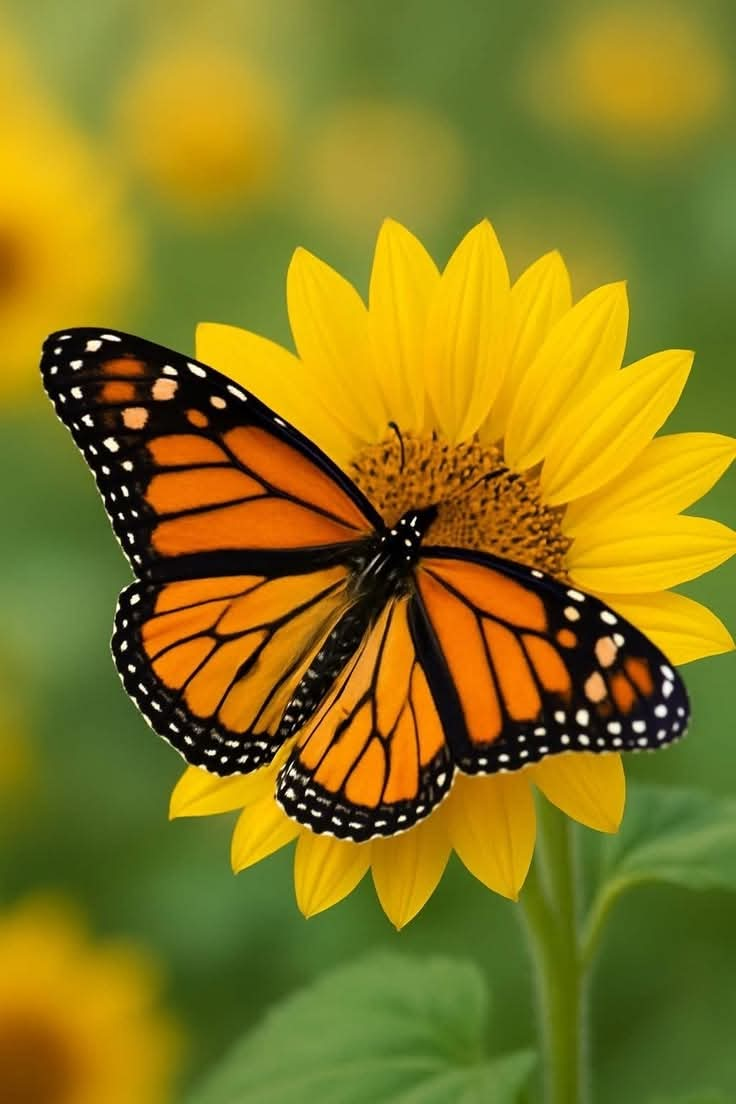
When you see a butterfly gently fluttering from flower to flower, you might think it is a delicate, colorful garden visitor. However, beneath those bright wings lies a masterclass in natural engineering.
Butterflies are not ordinary insects because they have sensory superpowers and unique physical adaptations. In this article, we will explore some amazing butterfly science facts, such as how butterflies can taste food with their feet, drink mineral mud cocktails, and fly in complex figure-8 loops.
Therefore, here is a deep dive into the science behind how butterflies navigate, feed, and thrive in the wild.
1. Tasting with Their Feet: The Secret of Chemoreceptors
Imagine walking up to a plate of food, stepping on it with your feet, and instantly knowing how sweet or nutritious it tastes. For humans, that sounds strange. On the other hand, for butterflies, it is an everyday reality.
Butterflies do not rely on mouthparts to test their food. Instead, they use chemical sensors called chemoreceptors, which are tightly packed on their legs and feet.
Why do butterflies taste with their feet?
The answer lies in their survival instincts.
Host Plant Selection:Female butterflies are very picky about where they lay eggs. Specifically, when searching for a nursery, a female lands on a leaf and gently taps it with her feet.
Chemical Verification: As a result, butterfly chemoreceptors open the plant’s surface cells, instantly detecting sugars, amino acids, and possible toxins. This guarantees that caterpillars will hatch on a plant they can safely eat.
2. “Puddling”: Why Butterflies Drink Mud, Sweat, and Tears
We usually think of butterflies as drinking floral nectar. Although nectar gives plenty of sugar for energy, it does not contain enough salts and minerals, especially sodium.
So, where do butterflies get these essential nutrients? The answer lies in a behavior called puddling.
Frequently, butterflies gather around mud, rotting fruit, animal dung, urine, and even animal tears or human sweat. By sipping liquid from these sources, they absorb vital electrolytes and minerals.
The Secret Nuptial Gift
Male Butterflies and Puddling: Puddling is mostly done by male butterflies.
Reproductive Boost:Furthermore, male butterflies gather high amounts of sodium and give it to females during mating. This nuptial gift strengthens the female’s body and improves egg survival rates.
3. Masterclass in Aerodynamics: The Figure-8 Flight Path
Have you ever tried to follow a butterfly’s flight path and seen how unpredictable and erratic it looks? In fact, that fluttery motion is actually a brilliant aerodynamic strategy.
Instead of flapping straight up and down, a butterfly’s wings twist and trace a continuous figure-8 shape through the air on every flap.
How the Figure-8 Works:
Vortex Generation:The twisting figure-8 motion creates low-pressure air vortices over the tops of the wings.
Maximum Lift, Minimum Energy: Additionally, these vortices generate immense lift relative to the butterfly’s light body weight, allowing them to glide, hover, and pivot instantly.
Predator Avoidance: Consequently, the resulting erratic movement makes it almost impossible for hungry birds and dragonflies to predict where the butterfly will fly next.
Final Thoughts on Butterfly Science Facts
In conclusion, butterflies are not fragile decorations in gardens. Instead, these creatures are evolutionary powerhouses. They taste with their feet, seek life-saving minerals from mud, and command the skies with figure-8 aerodynamics. Ultimately, these essential butterfly science facts show that nature’s smallest engineers are often the most brilliant.
Did you find these butterfly science facts surprising? Share this article with nature lovers!