


Do Dragonfly Wings Have Blood? The Surprising Science Behind Insect Wings
If you’ve ever stopped to admire a dragonfly resting on a leaf, you might wonder:
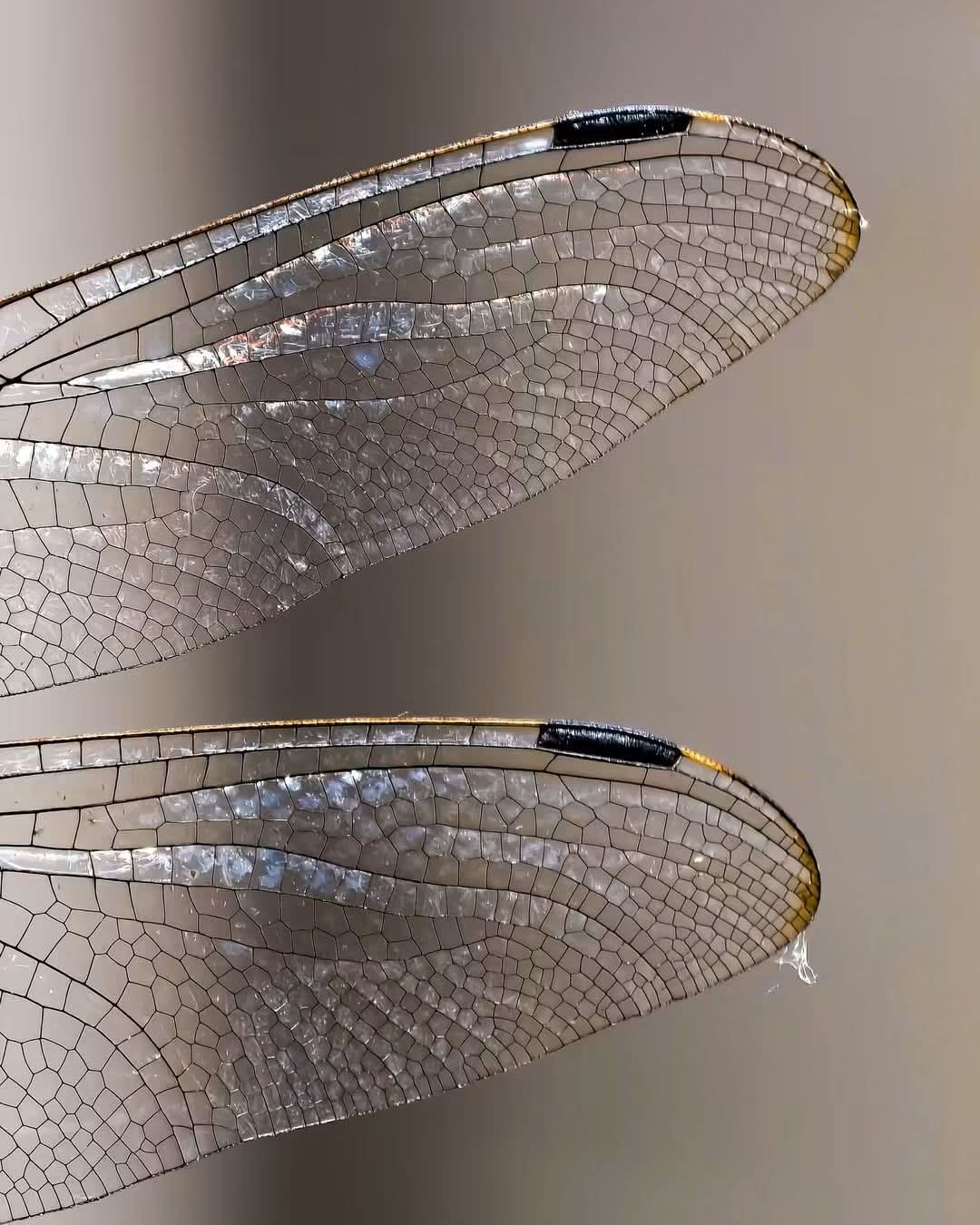
do dragonfly wings have blood? You’ve probably noticed the intricate, lace-like pattern on its wings. They look almost like delicate stained-glass windows or clear leaf veins.
This leads to a fascinating question that surprises many nature lovers: Do dragonfly wings actually have blood flowing through them, or are they just dry, lifeless structures?
The short answer is yes—insect wings are very much alive, and they contain a special fluid that acts just like blood.
Do Dragonfly Wings Have Blood Flowing Through Them?
To understand how insect wings work, we first have to bust a common myth: insects don’t have red blood like humans do. Instead, they have a vital liquid called hemolymph.
While human blood uses hemoglobin to transport oxygen (giving it that red color), hemolymph is usually clear, pale yellow, or light green.
The thin “veins” you see crisscrossing a dragonfly’s wing are not just decorative patterns. They are hollow tubes called wing veins. Running inside these veins is a continuous flow of hemolymph, driven by tiny auxiliary pumps located at the base of the thorax.
Why Do Dragonfly Wings Need “Blood”?
A dragonfly’s wing isn’t just a piece of plastic or dead tissue. It is a complex, living organ. The fluid flowing through these veins serves several critical purposes:
- Nutrient & Hormone Delivery: Just like our blood, hemolymph carries nutrients, minerals, and hormones to keep the wing tissues healthy and functional.
- Sensory Nervous System: Running alongside the fluid inside these wing veins are tiny nerve fibers and trachea (air tubes). This allows the dragonfly to feel air pressure, humidity, and airflow changes during flight.
- Flexibility & Hydration: Without fluid circulation, the wing membrane would dry out, become brittle, and shatter under the intense stress of high-speed flapping. Hemolymph keeps the wings flexible yet strong.
- Wing Expansion at Birth: When a dragonfly transitions from a nymph into an adult, its wings start out crumpled and wet. The dragonfly pumps hemolymph into the wing veins under pressure, unfurling them to their full size before they harden.
The Engineering Marvel of Wing Veins
Dragonflies are some of the most agile fliers in the animal kingdom. They can hover, fly backward, and reach speeds of up to 30 mph (48 km/h).
The vein network isn’t random—it’s a masterpiece of natural engineering. The veins act as a structural skeleton, while the hemolymph pressure inside gives the wing the ideal balance of rigidity and dynamic bending needed to withstand turbulent air currents.
Final Thoughts
The next time you see a dragonfly gliding effortlessly across a pond, take a closer look at its wings. Those microscopic lines aren’t just for show—they are dynamic life support systems circulating nutrient-rich hemolymph to keep one of nature’s best aviators in the sky.

One thought on “Do Dragonfly Wings Have Blood? The Surprising Science Behind Insect Wings”
Comments are closed.